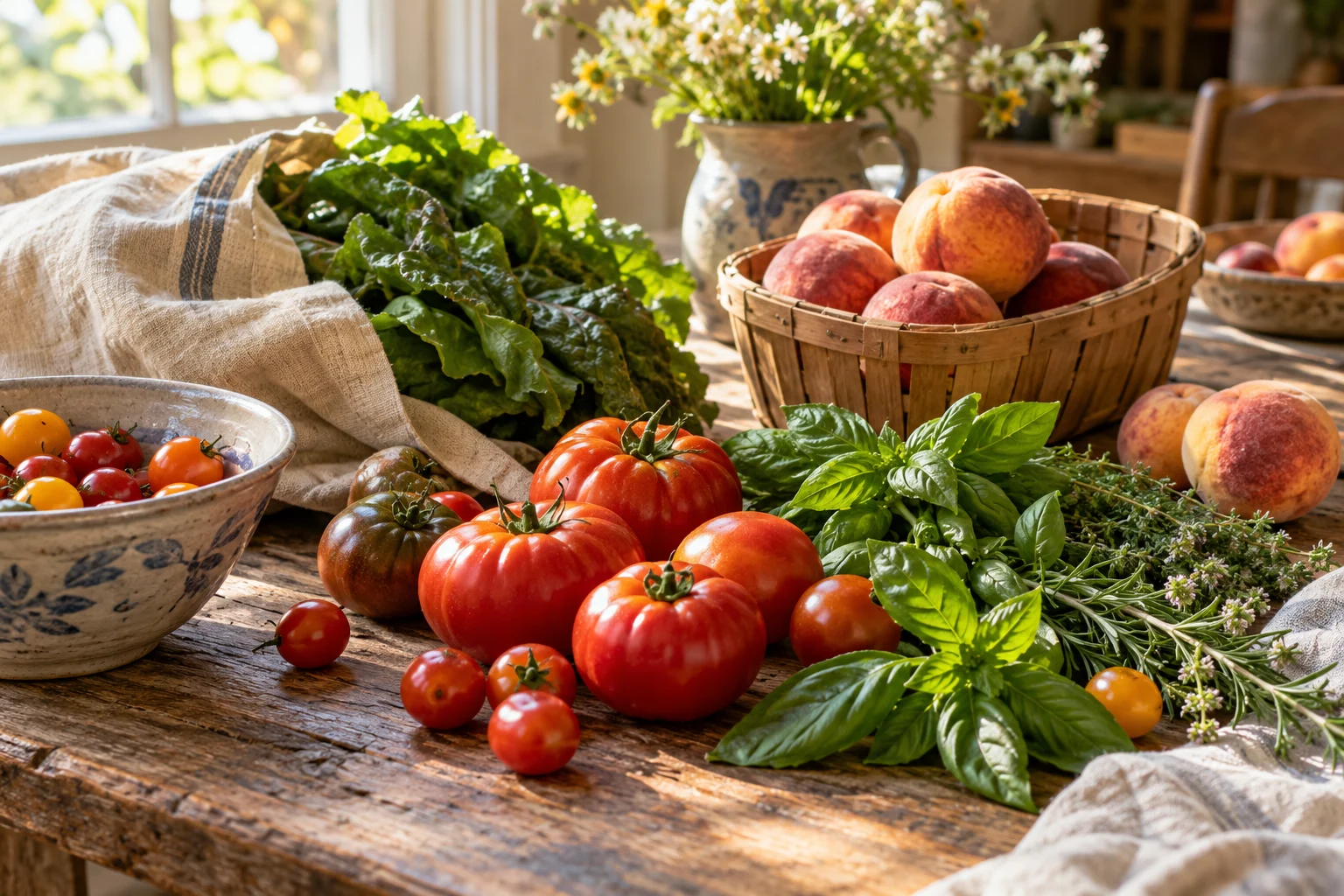
A basket of fresh produce or a selection of specialty goods can feel like an overwhelming array of possibilities when standing in a market aisle. For the cook, the goal is often to find an item that fulfills a specific culinary purpose, but the reality of the shelf frequently presents a conflict between what a recipe demands and what the eye finds appealing. Navigating these choices requires a shift from seeking perfection to understanding function.
The Weight of Intention
Successful cooking often begins with a clear understanding of an ingredient's role. Is the item meant to provide a sharp, acidic brightness to a heavy sauce, or is it intended to act as a mellow, structural base for a slow-cooked stew? The intended use dictates the selection process. A person might find themselves caught between a desire for a specific flavor profile and the physical characteristics of the items currently available.
For example, if you are preparing a bright summer salad, you might seek out a citrus fruit that offers high acidity to cut through a creamy dressing. However, you may also be tempted by a larger, more visually impressive fruit that looks beautiful in a bowl but offers a much sweeter, less acidic profile. This creates a tradeoff: do you prioritize the visual impact of the ingredient, or the functional necessity of the flavor? Choosing the more visually striking option might satisfy the eye, but it may fail the palate if the acidity is missing.
Navigating the Market Shelf
Deciding on the day of a gathering can be exhausting, especially if you are already managing a guest list and a timeline. To reduce the number of decisions required when you are actually in the store, consider doing the heavy lifting of comparison beforehand. Instead of trying to weigh taste, quantity, and purpose all at once while navigating a crowded aisle, approach the selection as a series of distinct observations.
Observe the physical attributes of the items. Look for the specific textures or colors that align with your recipe's requirements. When the distinction between two similar items is not immediately clear, ask the seller how they would describe the flavor or the intended use of the product. Rather than assuming one variety is inherently better than another, seek their description of how the item behaves when cooked or eaten raw. Their perspective can offer a different way to categorize the goods beyond simple visual appeal.
Balancing Taste and Quantity
Personal taste is a subjective guide, but it must be balanced against the volume required for your meal. A small amount of a highly potent ingredient might satisfy a craving for a specific note, but it may fail to provide the necessary substance for a large group. Conversely, buying in bulk to ensure you have enough can lead to a dish that lacks the nuance you originally envisioned if the ingredient is too mild. This tension between the amount you need and the intensity of the flavor is a central part of the shopping experience.
To minimize stress, decide on your primary criteria before you leave home. If the goal is to minimize decision fatigue, commit to a specific role for the ingredient—such as 'the acid component' or 'the textural element'—and select the first item that meets that functional requirement. By focusing on the ingredient's actual role rather than chasing a perfect, subjective ideal, you can move through the market with more certainty and arrive at your kitchen with exactly what the dish requires.