A shared tasting menu offers a structured way to experience a restaurant's vision, but it can quickly devolve into a series of debates over which dish was objectively superior. When a group spends the evening arguing over a leaderboard, the actual nuances of the food often get lost in the noise of comparison.
Focusing on the individual palate
To keep the evening centered on the experience, consider choosing a small, curated set of items rather than attempting to sample every possible variation on a menu. This limitation prevents sensory fatigue and allows the conversation to remain focused. Instead of asking, "Was that better than the last one?" try recording personal observations about specific elements. You might note the brightness of a citrus component or the texture of a particular sauce. By documenting what specifically caught your attention, you move the dialogue away from a contest and toward a shared discovery of different profiles.
Navigating the social tradeoff
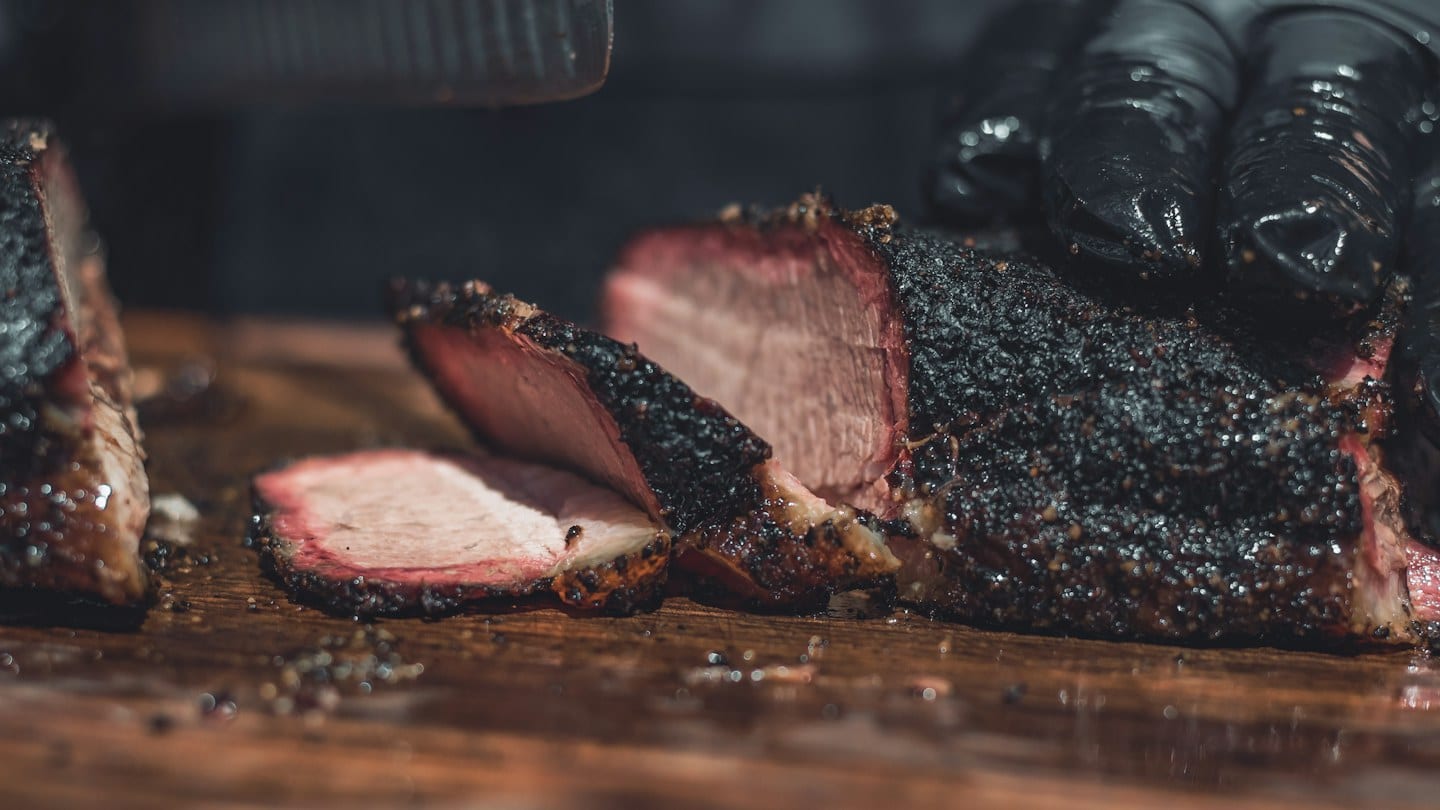
There is a meaningful tradeoff between the desire for consensus and the reality of individual preference. In a group setting, there is often a subconscious pressure to agree that a certain dish was "the star" of the night. However, true exploration requires acknowledging that one person's highlight might be another person's disappointment. For example, if a dish features a heavy infusion of smoke, one guest might find it deeply comforting while another finds it overwhelming. If the group insists on reaching a single verdict, they miss the opportunity to discuss why those two very different reactions occurred.
Verifying the details
For those who prefer a highly organized outing, part of the enjoyment comes from knowing exactly what to expect. This involves checking what has actually been confirmed regarding the evening's logistics. Before arriving, confirm the specific courses included in the set and whether any substitutions are possible. If you are organizing the event, ask the restaurant how they handle dietary requirements within a fixed tasting format and what the timeline for service looks like. Knowing these details ahead of time removes the friction of uncertainty, allowing you to focus entirely on the plate in front of you.
Cultivating the conversation
The most successful tasting evenings are those where the conversation stays descriptive rather than evaluative. When a dish arrives, observe the visual presentation and the aroma before the first bite. Ask your companions what specific notes they detect in the seasoning. By shifting the goal from "ranking" to "noting," you transform a simple meal into a collaborative study of taste. This approach ensures that even when opinions differ, the conversation remains an enriching part of the evening rather than a source of disagreement.