The ritual of the shared takeout order often begins with a sense of relief. After a long day, the prospect of a meal from a local favorite arrives as a welcome reprieve. However, for households navigating fluctuating evening schedules, that relief can quickly dissolve into a scramble of mismatched containers and misunderstood requests.
The Challenge of Shifting Timelines
Consider a household where one person works late at a downtown office, another has a fitness class that runs over, and a third is home early, waiting to eat. When these varying arrival times meet a single delivery or pickup window, the dining experience can become fragmented. The person who arrives first may find the food has sat too long, while the person arriving last finds the kitchen has already closed or the order was partially consumed.
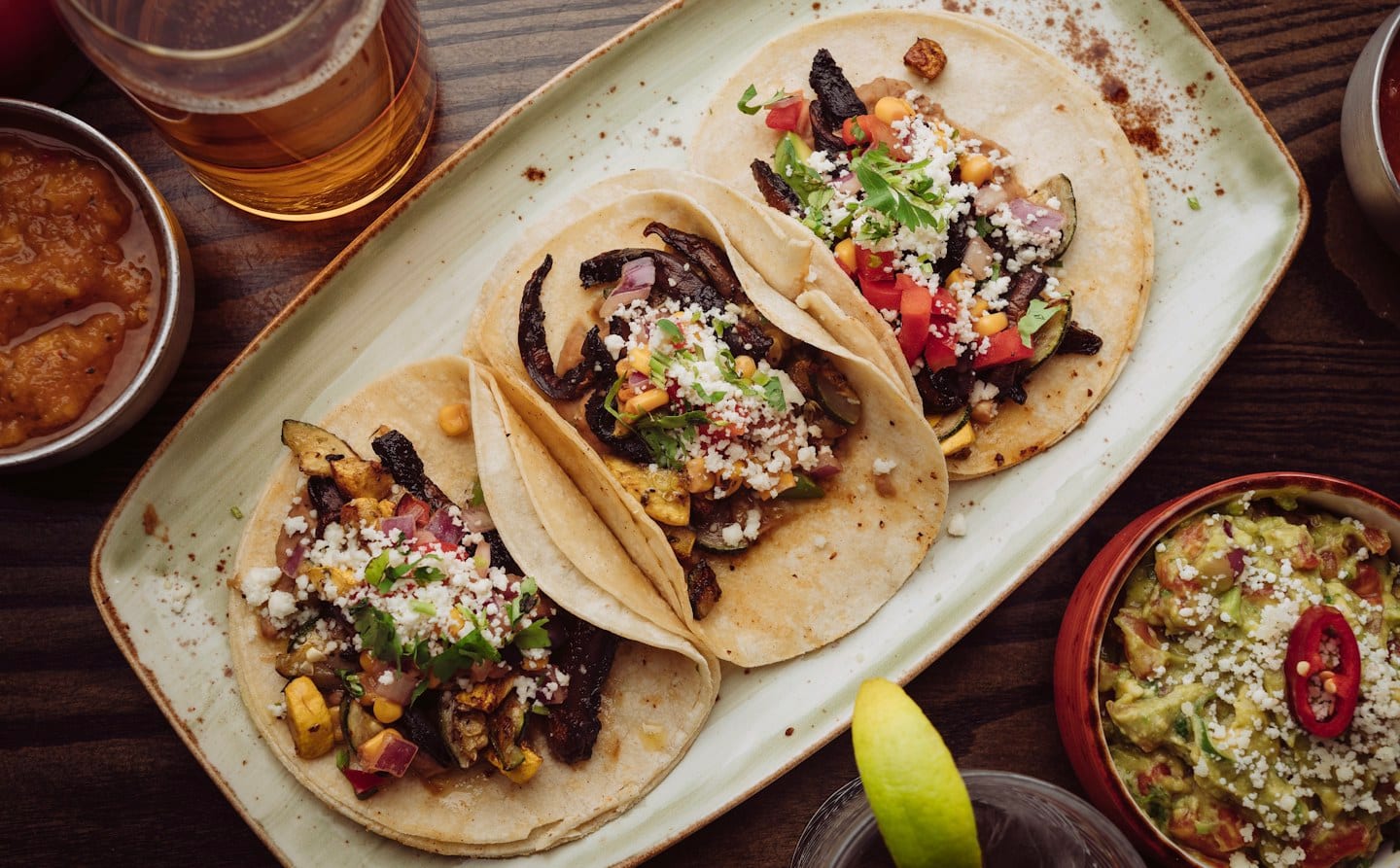
For example, if a family decides to order a large spread of tacos and sides to accommodate three different arrival times, the logistical tension rises. One person might need their meal immediately upon walking through the door, while another will not be ready for forty minutes. Without a plan, the heat and texture of the meal may change significantly between the first bite and the last.
Clarifying the Details
Precision in the ordering phase can mitigate much of this friction. Rather than relying on vague descriptions, take a moment to gather specific preferences from everyone involved before the order is placed. This includes noting specific preferences for how ingredients are prepared or how certain items are handled.
When placing the order, ask the restaurant how they manage modifications to ensure specific requests are clearly visible to the kitchen staff. If you are requesting changes to a standard dish, ask if there is a preferred way to note these instructions so they are not overlooked during a busy service. Confirming how the kitchen marks these items can prevent the frustration of a dish arriving incorrectly.
Labeling and Distribution
The final hurdle is often the physical distribution of the food once it arrives on the counter. In a busy house, a large bag of containers can quickly become a confusing pile. To avoid the guesswork of which meal belongs to whom, consider a simple labeling system. You might use small pieces of masking tape or even a marker to denote which container holds specific portions or modifications.
This step is particularly useful when certain members of the household have specific ways they prefer their food prepared. Ask the provider if they can package individual portions separately, or if you should plan to divide a larger container yourself upon arrival. By organizing the meal by person rather than by dish type, you ensure that everyone can eat according to their own schedule without having to hunt through a shared pile of containers.
Managing a group order is less about the food itself and more about the coordination of the people eating it. By gathering preferences early, asking the restaurant about their modification process, and labeling the final containers, you turn a potentially chaotic evening into a streamlined part of your routine.