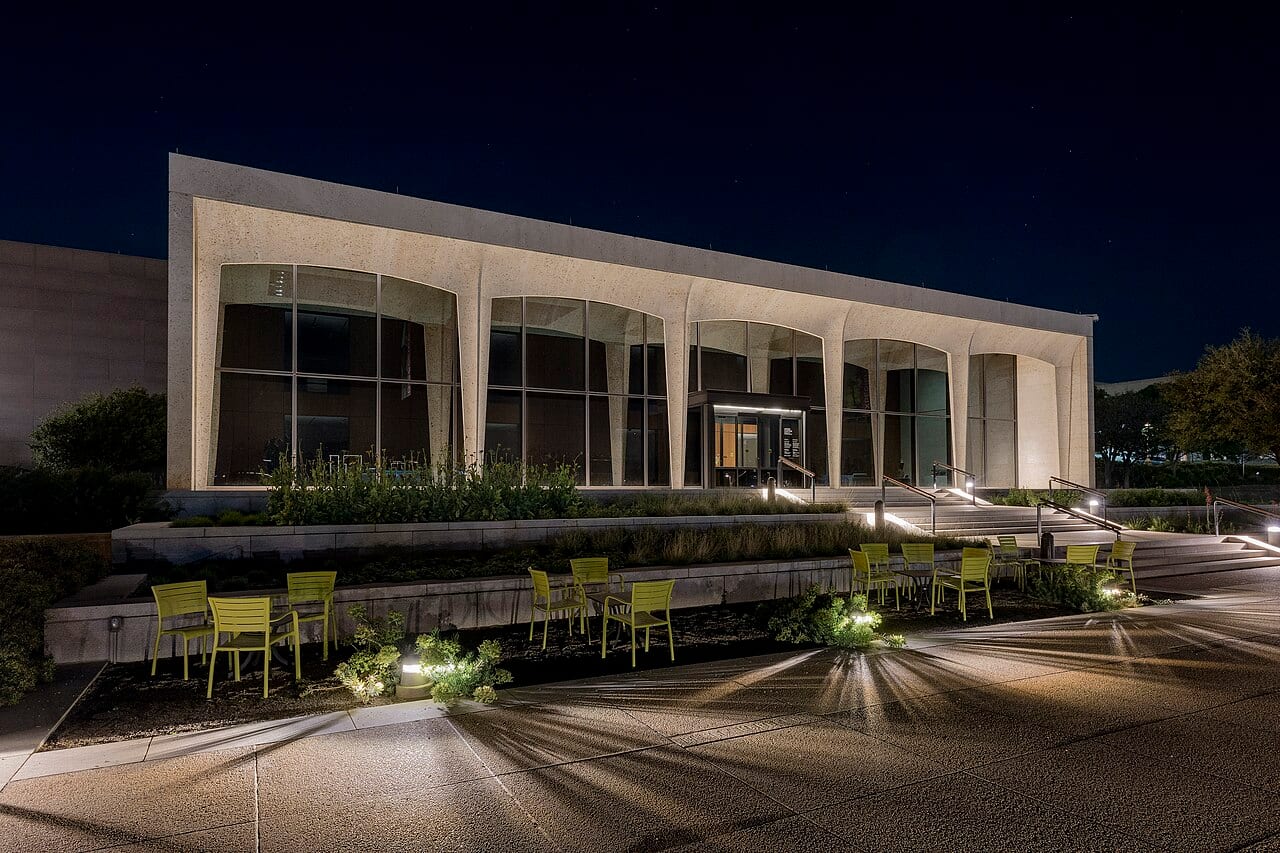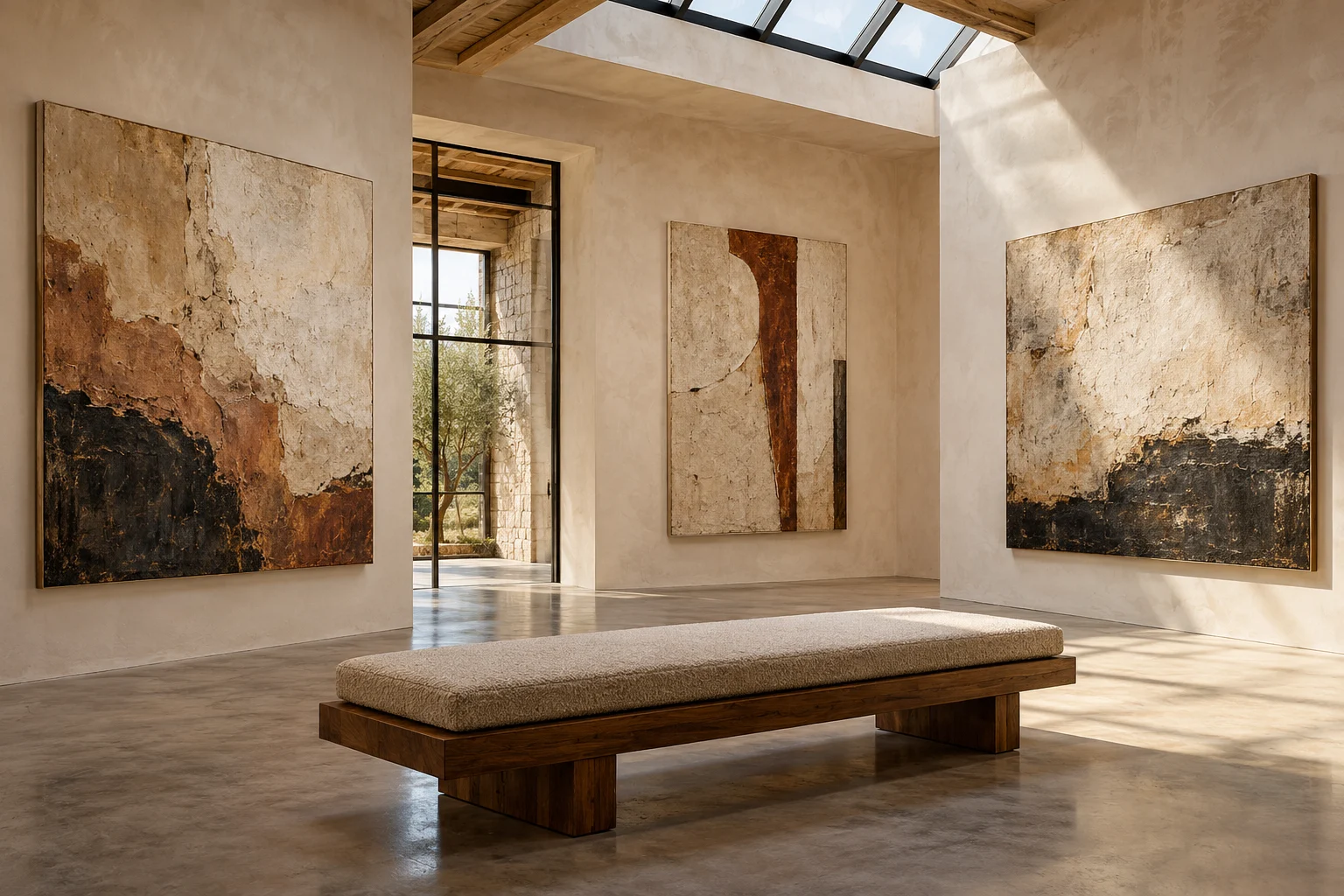
A single afternoon spent wandering through a quiet gallery or discovering a new corner of a neighborhood park can feel transformative. Yet, for many households, these moments of inspiration often vanish into the fog of a busy week. Without a way to anchor these experiences, the impulse to return or share them often dissipates before the next weekend arrives.
The anatomy of a memory
To make a cultural discovery useful for the future, one must move beyond simple bookmarks or vague mental notes. A useful record captures the specifics that allow you to reconstruct the feeling of the visit. This means noting the exact work that caught your eye, the name of the creator, and the specific source where you found the information.
However, the most vital component is the personal layer. A list of names and dates is merely data; a record of why a particular piece or place mattered to you is a guide. Did the lighting in the room change your mood? Did a specific sculpture prompt a conversation with a companion? Recording these subjective observations ensures that when you look back, you aren't just looking at a directory, but at a map of your own interests.
Managing the shifting household calendar
The challenge of maintaining a cultural life is often not a lack of interest, but the friction of a changing schedule. For a household where work shifts, school activities, and social commitments fluctuate weekly, the ability to plan becomes a moving target. One week might offer a wide-open Saturday, while the next might only permit a Tuesday evening.
For example, if your family is navigating a season of late-night shifts or unpredictable extracurriculars, a static list of "must-see" events can become a source of frustration rather than excitement. Instead of planning around fixed dates, try building a library of experiences categorized by the time they require. This allows you to match an opportunity to your current capacity rather than forcing a rigid plan onto a fluid week.
The power of the revisit question
A meaningful tradeoff exists between the depth of your documentation and the time it takes to create it. A detailed journal entry provides the most clarity but requires the most effort. A quick digital note is efficient but can lack context. To bridge this gap, conclude every entry with a single, specific question intended for your future self.
Rather than writing "Go back here," try asking, "How would the atmosphere change if we visited during the evening session instead of the morning?" or "Does the artist have a larger installation that complements this smaller work?" These questions turn a passive note into an active prompt, giving you a clear objective for your next outing.
By treating your cultural discoveries as an evolving archive, you ensure that your time spent exploring remains an investment. When your schedule finally aligns with your curiosity, you will not be starting from scratch; you will be following a trail you have already blazed.