A single printed exhibition guide, a flurry of digital notifications, and three different social media feeds can transform a simple afternoon of culture into a logistical puzzle. For many Dallas residents, the desire to see everything often results in seeing very little. The sheer volume of information available can make a trip to a local gallery feel less like a moment of reflection and more like a race against a ticking clock.
The Weight of the Checklist
Navigating multiple sources of information requires a specific kind of mental energy. You might find one website highlighting a massive retrospective, while a local blog suggests a niche installation, and a museum’s own newsletter promotes a new multimedia wing. When these sources collide, the natural impulse is to build a comprehensive itinerary that touches every highlight. However, this approach often creates a tradeoff between breadth and depth. By attempting to check every box on a list, you risk treating art as a series of obstacles to be cleared rather than an experience to be felt.
For example, if you decide to visit a museum with the goal of seeing four different exhibitions in three hours, you may find yourself walking quickly from room to room, glancing at labels, and moving on before a single piece has truly captured your attention. You leave the building having seen much, but having processed nothing.
Selecting a Single Focus
A more deliberate strategy involves filtering the noise to select one specific exhibition that aligns with your current mood or curiosity. This requires a shift from gathering data to making a choice. Instead of asking which shows are currently open, ask which single narrative or visual style you are most prepared to engage with today. This might mean ignoring a large-scale event in favor of a smaller, quieter collection that allows for more physical space and mental stillness.
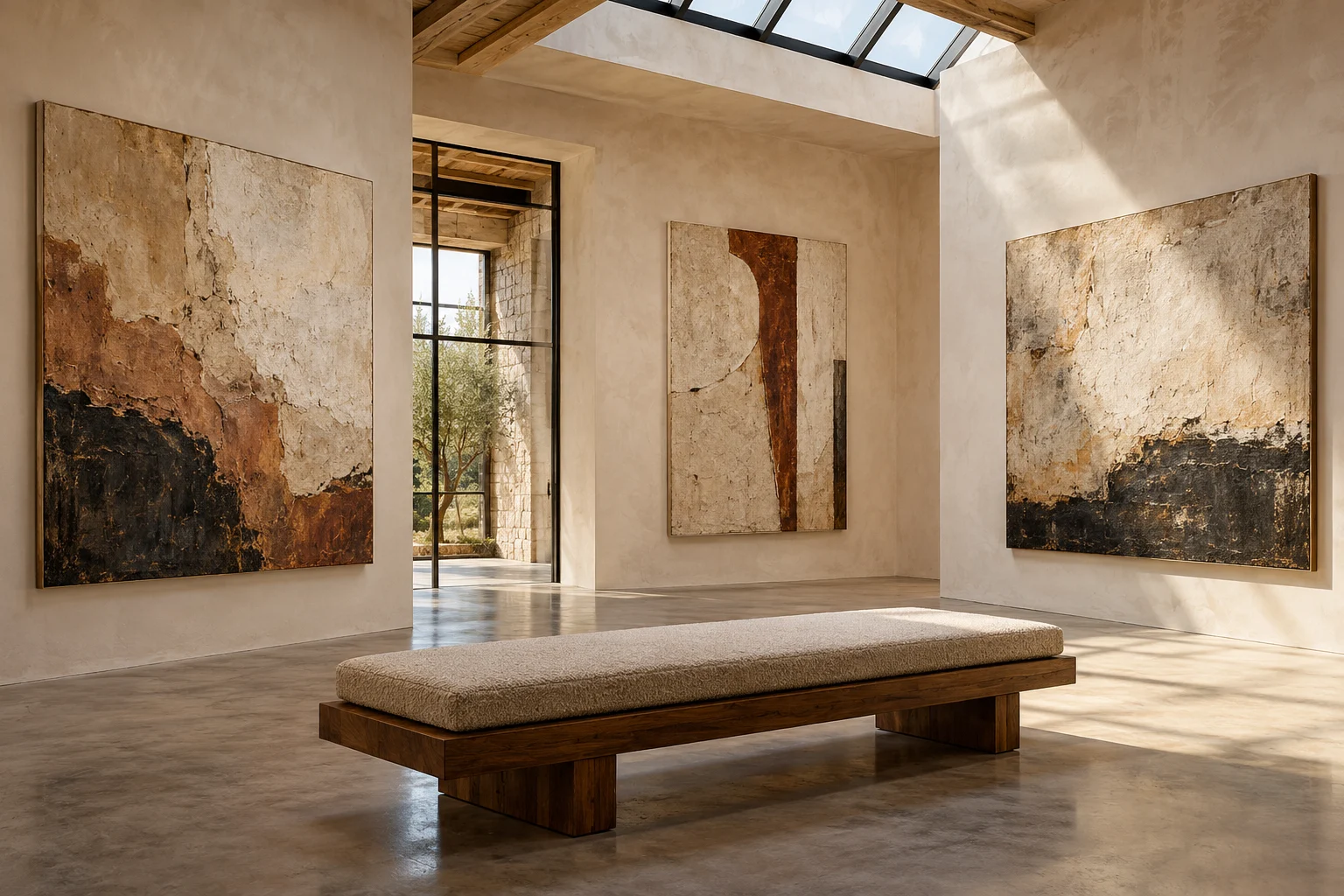
When you commit to one show, you reclaim the time that would have been spent navigating hallways or waiting in lines for secondary attractions. This saved time becomes an investment in your own observation. It allows you to sit on a bench, look at a single canvas for ten minutes, or read the wall text without the phantom pressure of a looming appointment in the next gallery.
Refining the Experience
The quality of a cultural outing is often determined by what you leave out. Once you have selected your primary destination, consider how you will manage the surrounding environment. You might ask the venue staff about the best times to avoid crowds or if there are specific quiet zones within the gallery. If you are planning a trip around a work schedule, consider how much buffer time you need to transition from the pace of the street to the pace of the exhibition.
The most successful afternoon is not the one where you have seen the most items, but the one where you have found the most meaning. By choosing one exhibition and discarding the rest of the checklist, you turn a frantic errand into a meaningful pause.