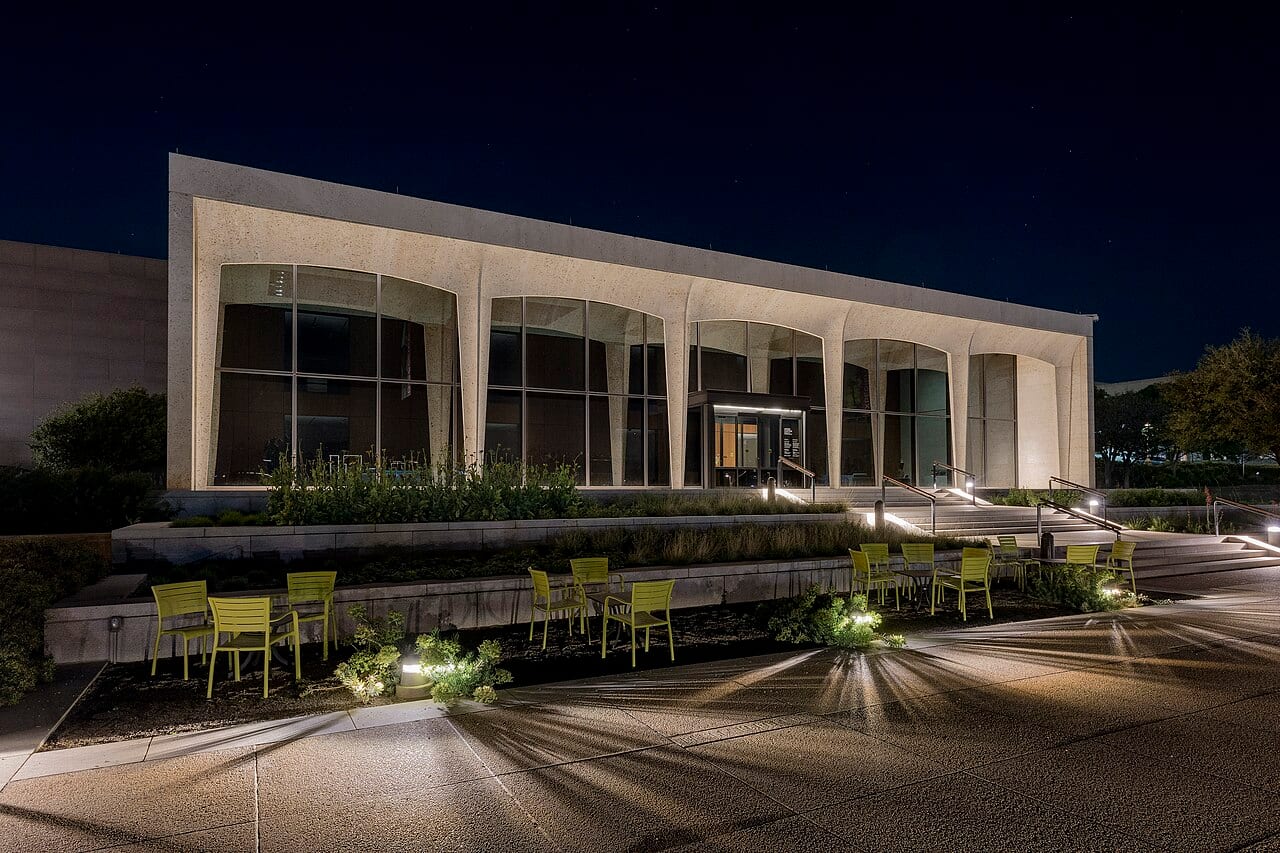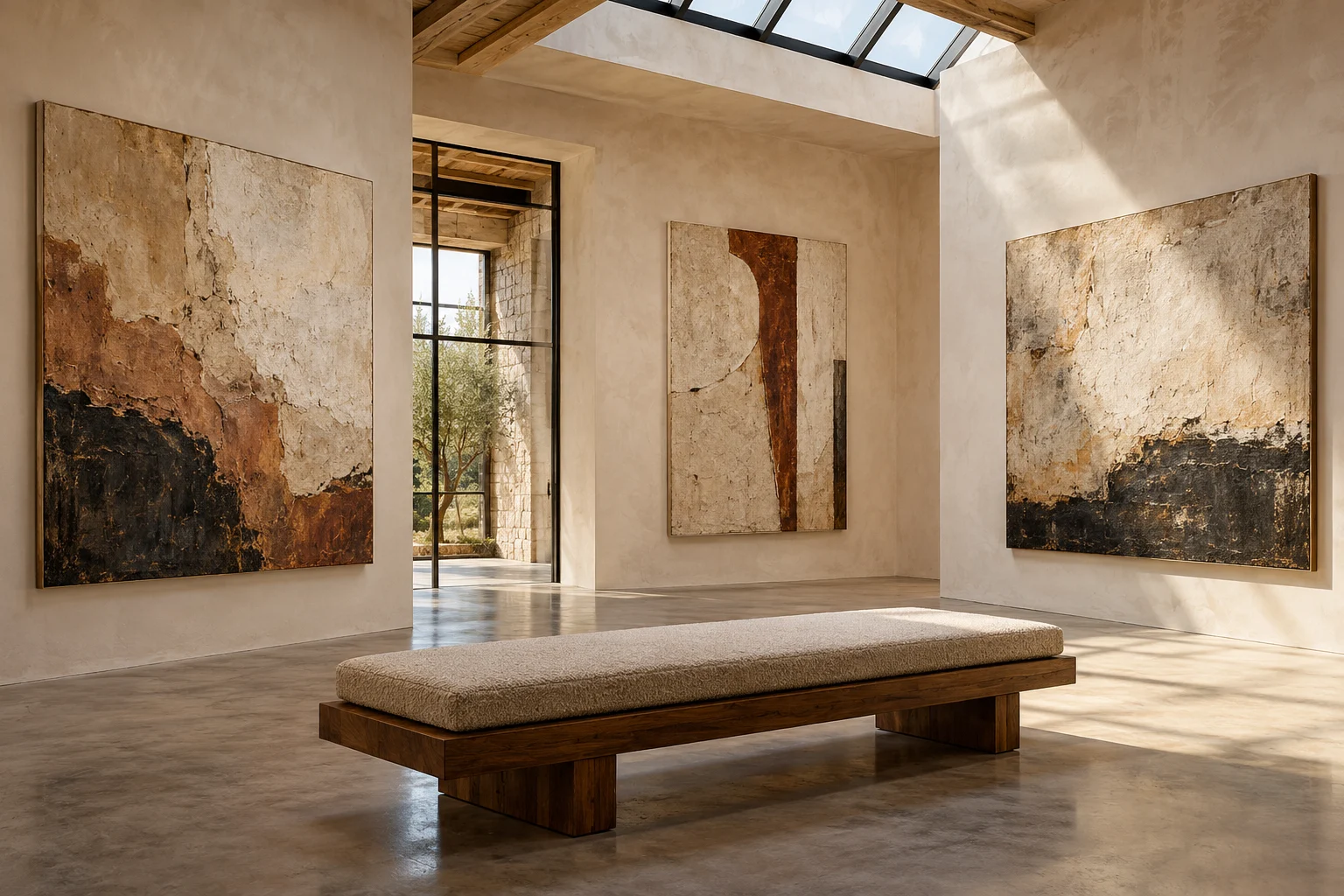
An invitation to a live performance or a community gathering often arrives with a flurry of excitement. Whether it is a concert in a courtyard or a gallery opening, the initial pull of the event can quickly lead to a complex negotiation of schedules, interests, and logistics. For those who prefer to keep their personal preferences separate from the objective evidence of an event's details, the challenge lies in distinguishing between what an event promises and what a group actually desires.
Reading Between the Lines
An event description serves as a guide, but it is rarely an exhaustive manual. It might highlight a specific genre of music or a particular style of art, yet it may remain silent on the atmosphere of the venue. Before committing, look closely at the language used in the announcement. Does the description focus on the technical aspects of the performance, or does it emphasize the social environment?
For example, if a flyer describes a "high-energy acoustic set in an intimate setting," the tradeoff involves choosing between a focused listening experience and a more social, potentially louder, environment. One person in your group might prioritize the musical precision, while another might be looking for a space where conversation is easy. Observing these subtle descriptors helps you present the facts of the event to your companions without injecting your own bias into the decision.
The Logistics of Access
Once the nature of the event is understood, the practicalities of attending become the next priority. A venue that looks charming in a photograph may present specific hurdles once you arrive. It is helpful to gather information regarding the physical layout and the ease of entry before the group departs.
Ask the event organizers about the accessibility of the space and whether there are specific entry points for different needs. You might also ask how the venue manages crowd flow or if there are designated areas for seating versus standing. Understanding these details allows you to present a clear picture of the environment, ensuring that the group can decide if the physical experience aligns with their collective comfort.
Aligning Group Intentions
The most significant friction in group outings often stems from unstated expectations. One person may view an evening as a deep dive into a specific cultural moment, while another sees it as a casual way to spend time together. To avoid mid-event disappointment, it is useful to establish a shared goal.
Instead of asking "Do you want to go?", try asking what each person hopes to get out of the night. Does the group want to arrive early to soak in the atmosphere, or is the goal to arrive just as the main feature begins? By identifying whether the priority is the content of the event or the company of the group, you can select an outing that satisfies the most people. Once the facts are gathered and the goals are clear, the decision becomes a matter of simple coordination rather than a compromise of personal taste.