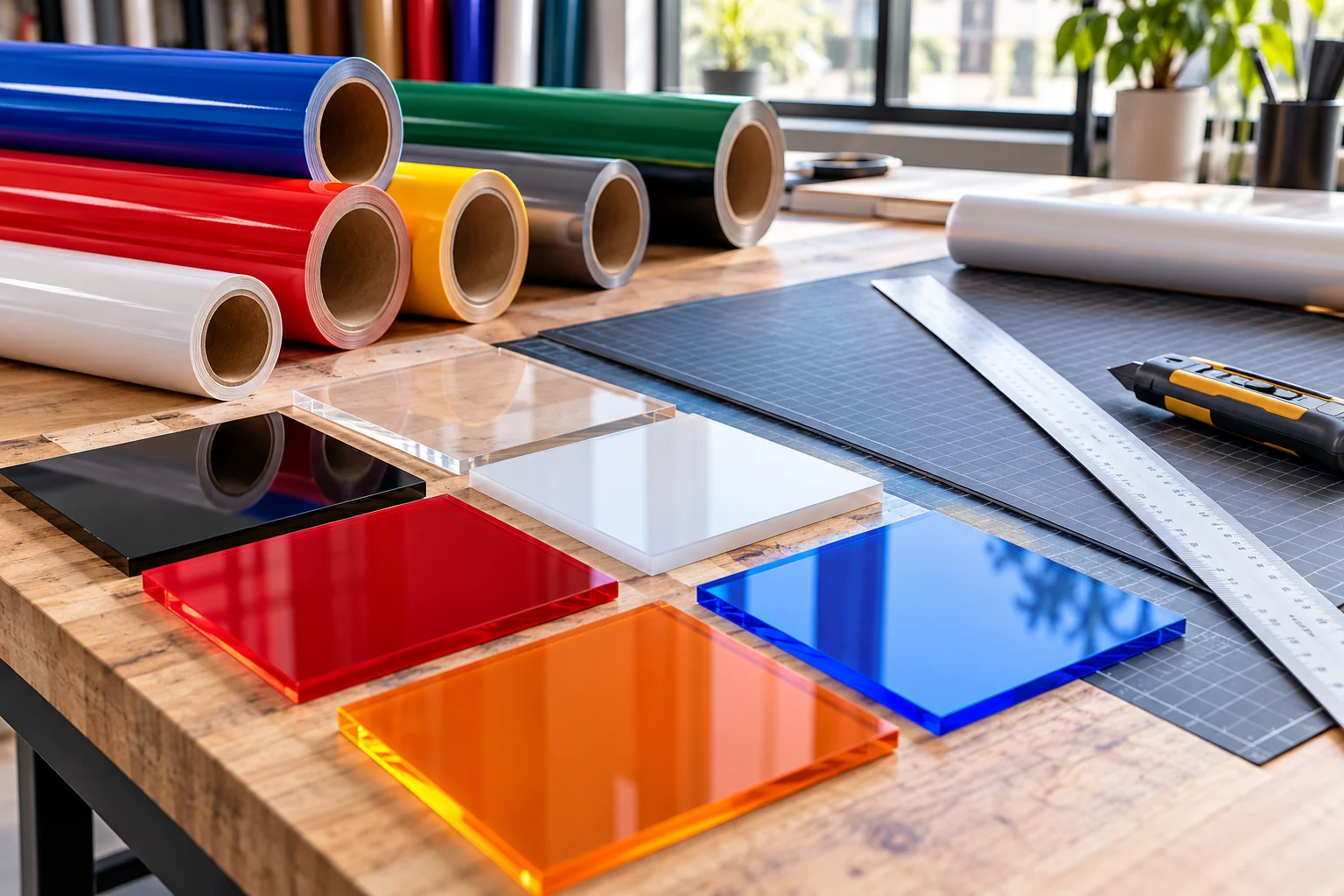
A new storefront begins with a collection of fragments: a rough sketch on a napkin, a digital logo file, a few photographs of the existing building facade, and perhaps a color swatch from a fabric sample. For a business owner in Dallas, these disparate pieces represent the foundation of a brand, but they are not yet a sign. Moving from a digital concept to a physical installation involves translating a visual identity into something that survives the elements and captures the attention of passersby.
Defining the Visual Intent
Before approaching a sign maker, it is helpful to consolidate what the sign is meant to achieve. A sign serves different masters depending on its placement. A small, elegant plaque near an entrance speaks to the person already standing at your door, while a large, illuminated display targets the driver moving quickly down a busy thoroughfare. Consider whether your primary audience is the pedestrian browsing the sidewalk or the commuter looking for a landmark.
Review the photographs you have taken of your building. Look for the textures of the masonry, the placement of existing light fixtures, and the shadows cast by nearby trees. These images provide the context necessary to understand how a new element will interact with the current environment. A sign that looks striking in a bright computer monitor rendering might struggle against the glare of the afternoon sun or disappear against a busy brick backdrop.
Navigating the Tradeoffs
The transition from idea to reality often involves a choice between aesthetic purity and functional durability. For example, if you are drawn to a delicate, hand-painted script, you must weigh that beauty against how it will hold up over several seasons. A high-contrast, bold typeface might offer better visibility from a distance but could lack the sophisticated nuance of a more intricate design.
For instance, imagine you have decided on a sleek, backlit metal sign to match your modern interior. While the glow provides a premium feel at night, you must consider how the installation process affects the building's exterior. You might find yourself choosing between a sign that is easy to maintain and one that requires specialized cleaning or repairs to keep its luster.
Preparing Your Inquiry
When you meet with a professional to discuss your project, bring your gathered materials—the logos, the photos, and the sketches—to ground the conversation in your specific vision. Rather than assuming a design is ready for production, use the meeting to test the boundaries of what is possible.
Ask the provider how your chosen materials and dimensions will perform in the local environment. Inquire which specific approvals are necessary for the installation and who is responsible for arranging them. It is also useful to ask how the proposed design accommodates the specific lighting and architectural features visible in your photographs. By focusing on these practicalities, you ensure that the final product is not just a reflection of your digital files, but a functional part of your physical space.


