A handwritten note, a social media post, and a website landing page can all point toward the same destination, yet they rarely tell the same story. For the curious resident looking to explore a new neighborhood or a specific venue, the challenge lies in reconciling these different fragments of information into a single, cohesive plan.
The Friction of Fragmented Information
Planning an afternoon often involves a mental juggling act. You might find a recommendation for a quiet courtyard in one digital forum, a mention of a seasonal menu in a lifestyle blog, and a vague map pin from a friend. While these sources provide the spark for an outing, they often leave the logistical connective tissue missing. One source might suggest a place is perfect for a mid-afternoon stroll, while another implies it is a high-energy evening spot. Without a way to bridge these gaps, you may arrive to find the atmosphere or the accessibility is not what you anticipated.
For example, if you are coordinating a visit to a local gallery or a specific park feature, you might find that the website lists general operating hours, but a recent community post mentions a private event occurring on the very afternoon you intend to visit. This discrepancy creates a tradeoff: do you commit to the trip based on the official schedule, or do you spend more time investigating the more recent, informal update?
Refining the Plan
The most effective way to resolve these contradictions is to move from passive reading to active inquiry. Rather than assuming the most recent source is the definitive one, treat each piece of information as a prompt for a specific question. If you are looking at a venue that seems to have conflicting information regarding its layout or entry points, ask the staff how they handle specific arrival needs or if certain areas are restricted during specific times.
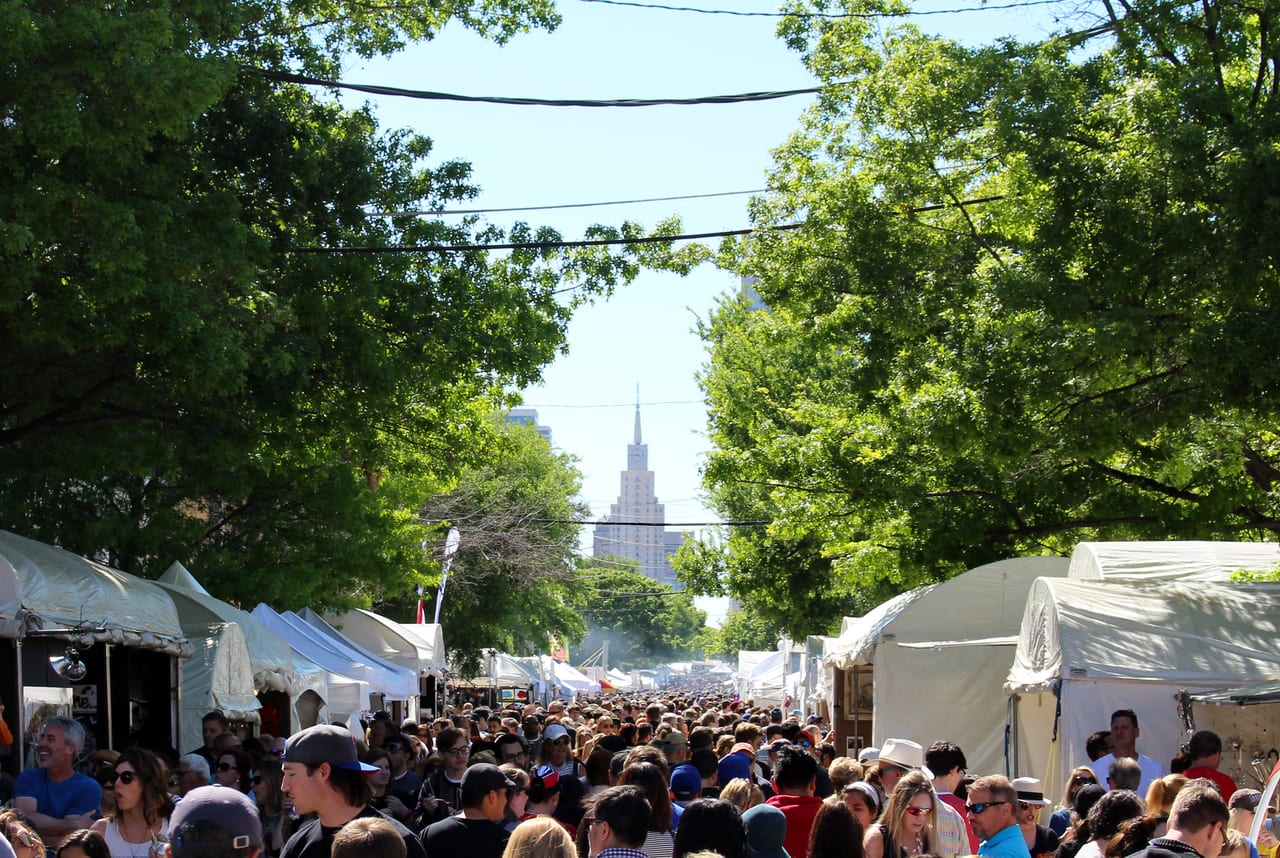
Consider the logistics of your own rhythm. A venue that appears vibrant on a Saturday might feel entirely different on a Tuesday morning. When a source describes a place as "bustling," ask yourself if that level of activity aligns with your goal for the day. If you require a quiet space for conversation, a high-traffic recommendation might require a secondary question: ask the provider what the typical noise levels are during your preferred window of time.
Preparing for the Arrival
Before you set out, consolidate your findings into a set of practical observations. If you have gathered information from three different places, identify the one detail that remains unresolved. Is it the parking situation? The specific entrance? The availability of seating? Once you identify the most significant uncertainty, you can address it directly. Ask the venue whether they recommend a specific arrival method or if there are any changes to their usual access points that might not be reflected in online descriptions. By centering your plan on these specific inquiries, you turn a collection of scattered notes into a reliable itinerary.


