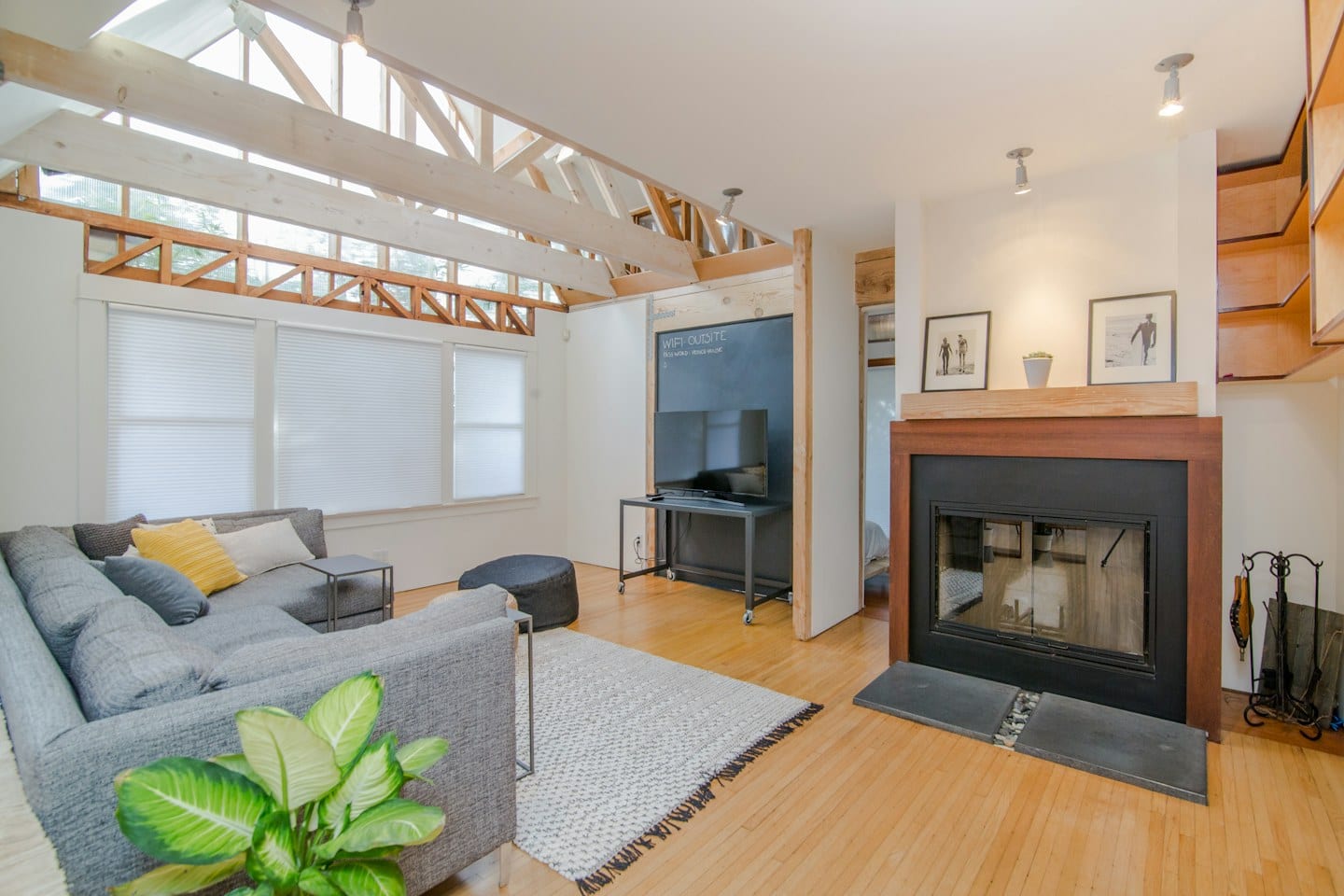
The arrival of new keys often brings a rush of excitement, followed quickly by the realization that the walls are a shade of beige you never selected. When you are living in a space that belongs to someone else, the urge to hang heavy art or install custom shelving is strong. However, the most successful transitions into a new room involve items that can be packed away as easily as they were unpacked.
The Art of Layered Living
Creating a sense of place often begins with what sits on the floor. Rugs serve as an excellent tool for defining a zone, such as a sleeping area or a workspace, within a single room. They provide texture and color without a single drop of paint. Similarly, lighting can completely shift the mood of a room. Instead of relying on a single overhead fixture, consider how floor lamps or small tabletop lights might change the atmosphere in the evening.
Textiles offer another way to introduce personality. Throw pillows, blankets, and curtains can soften the hard edges of a rental. For those seeking more substantial changes, modular furniture—pieces that can be reconfigured or expanded—provides flexibility as your needs evolve. A small desk today might become part of a larger dining setup tomorrow.
Managing Your Belongings
Storage is often the greatest challenge in a compact or unfamiliar room. When permanent built-in wardrobes are absent or insufficient, look toward vertical solutions. Freestanding shelving units and slim storage bins can maximize the footprint of your room. The tradeoff here is between the density of your storage and the openness of your living area. While many bins keep a room looking tidy, too much vertical mass can make a space feel cramped.
For example, if you are moving into a room with limited closet space, you might choose between a large, heavy dresser that holds everything but occupies significant floor area, or several smaller, stackable units that offer more breathing room but require more frequent organizing. Ask yourself whether you value immediate accessibility or a clear, open floor plan more highly.
Coordinating with Management
Before you commit to any change that involves the structure of the room, it is essential to verify the boundaries of your arrangement. Even seemingly minor additions can have implications for the property. If you are considering installing something that requires drilling into the walls or modifying the existing fixtures, take a moment to clarify the expectations.
Ask the property management team which specific modifications are permitted and what the process is for returning the room to its original state. If you have a specific idea in mind, such as mounting a television or adding a new light fixture, ask them how they would prefer those items to be handled. Confirming these details early prevents the stress of unexpected repairs or disputes later on.
By focusing on movable, tactile elements, you can cultivate a home that reflects your style while respecting the temporary nature of your stay. The goal is to create a space that feels settled, even if it is only for a season.

