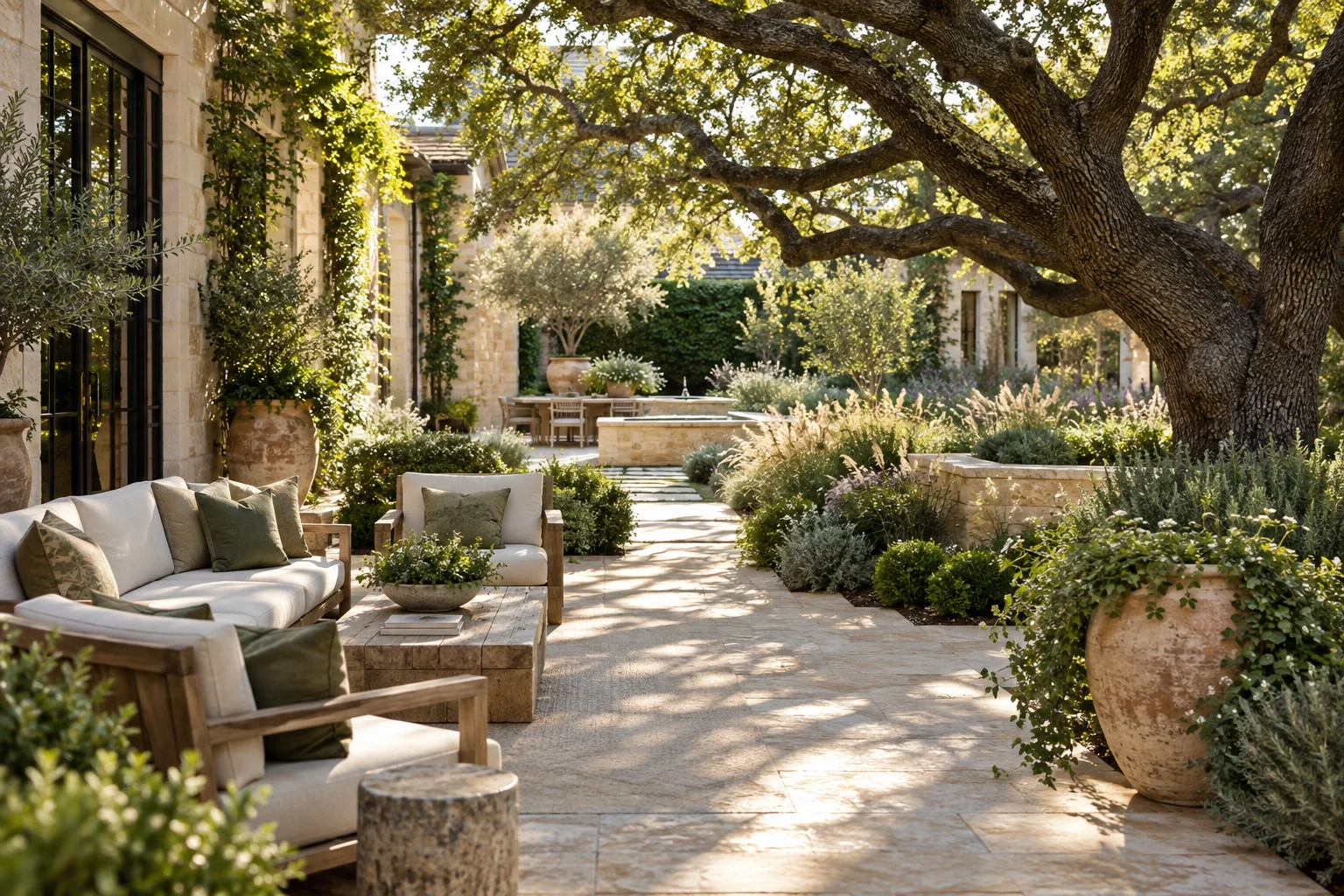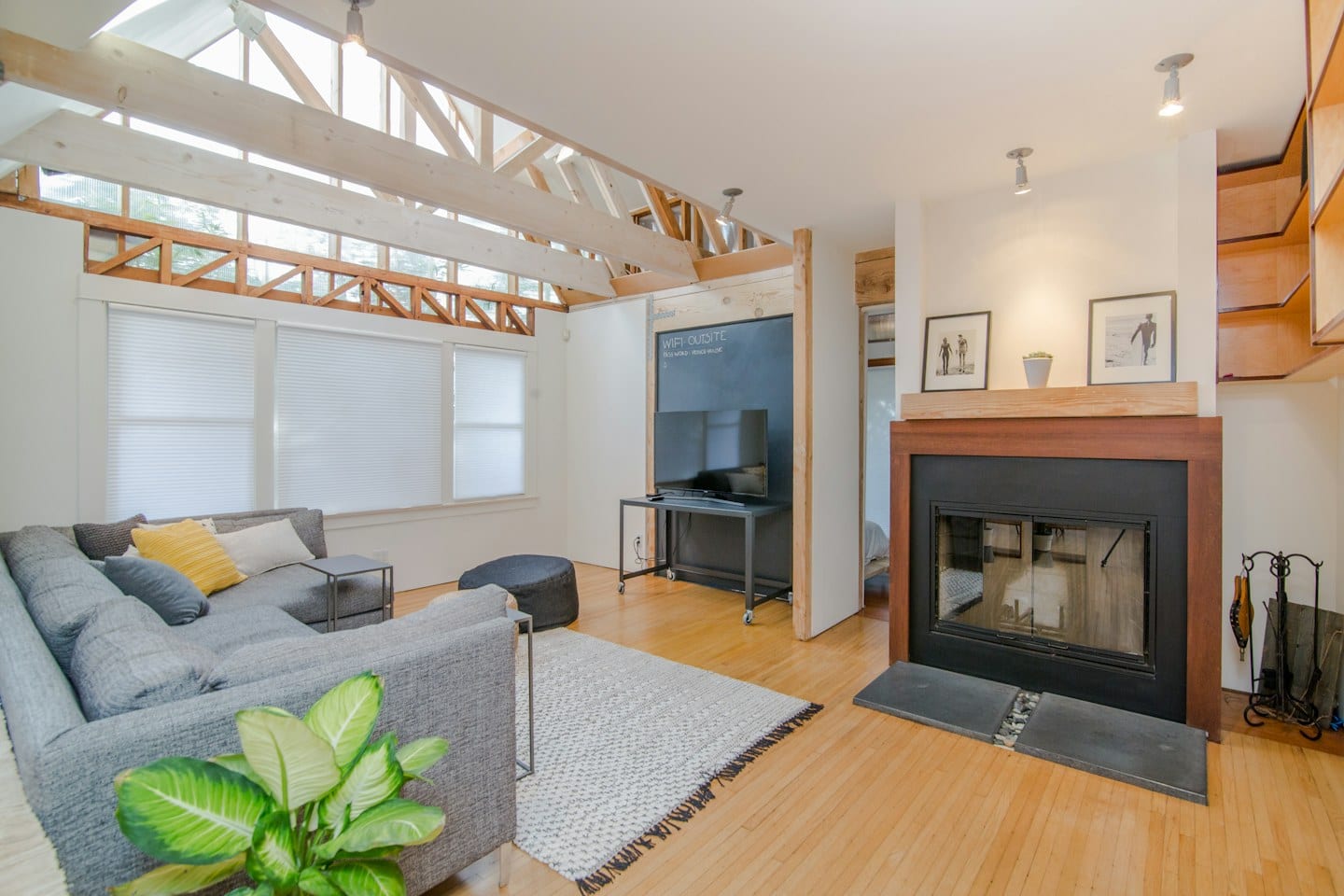
A "Deluxe Suite" and a "Premier King" may sound like different tiers of luxury, but the labels often obscure the physical reality of the space. For the traveler who prefers to arrive with a settled mind, the goal is to eliminate the friction of discovery. When every detail is accounted for before the car pulls into the valet, the stay becomes a period of rest rather than a series of logistical adjustments.
The Gap Between Titles and Layouts
Hotel descriptions frequently rely on evocative adjectives that lack spatial clarity. A room described as "bright and airy" might simply mean it has a larger window, while a "spacious" room might actually offer more floor area but less privacy. The tradeoff often lies between the sheer size of the footprint and the functional utility of the layout. You might find a larger room that feels cavernous and poorly lit, or a smaller, more intimate space that provides exactly the sanctuary you require.
For example, if you are planning a weekend that involves working remotely from your hotel, a room with a large bed and a beautiful view might seem ideal. However, you may find that the desk is a narrow ledge or that the seating area is positioned in a way that makes video calls difficult. In this scenario, the visual appeal of the room competes with your need for a productive, quiet environment.
Questions for the Reservation Agent
To bridge the gap between a marketing description and your personal needs, direct inquiry is more effective than browsing a gallery of polished photographs. Instead of assuming a room meets your criteria, ask specific questions that force a more descriptive response. You might ask how the light enters the room at certain times of day or whether the layout provides a distinct separation between the sleeping area and the workspace.
If your priority is a seamless transition from arrival to relaxation, ask about the specific placement of power outlets in relation to the bedside tables. You may also want to inquire about the proximity of the room to high-traffic areas like elevators or ice machines. Knowing the exact configuration of the furniture can help you decide if the space aligns with your routine.
Refining the Selection Process
The most successful travelers are those who treat the booking process as a way to curate their environment. Rather than choosing based on a tier or a price point, focus on the specific attributes that facilitate your intended use of the space. This might mean prioritizing a room with a specific type of window treatment or a particular arrangement of seating.
Before finalizing your decision, consider the trade-off between a premium room name and the actual utility of the features provided. Ask the hotel staff to clarify the distinction between different room categories in terms of floor plan and light. By resolving these details in advance, you ensure that your arrival in Dallas is marked by immediate comfort rather than a search for missing conveniences.