This is a paid partner contribution. Commercial relationships are disclosed so readers can distinguish sponsored content from editorial guides.
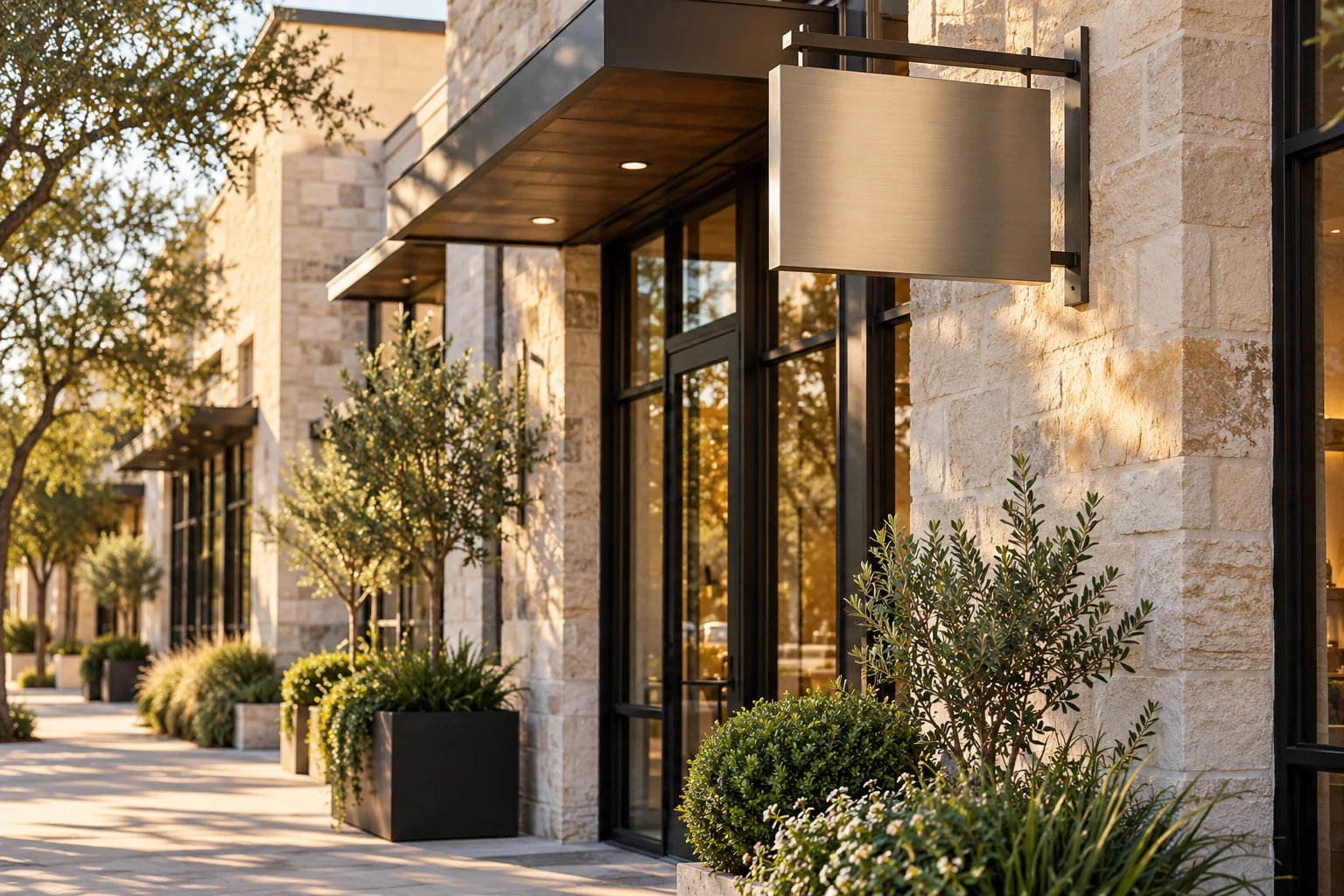
A storefront window, a lobby directory, or a suite number serves as a silent handshake with every person who walks through your door. In the rush of daily operations, these physical touchpoints often fade into the background. However, as you approach the end of a fiscal year or a seasonal shift, the condition and clarity of your signage become a tangible part of your brand's presence. Taking the time to inspect your visual communications now can prevent the friction of a faded or damaged sign appearing during a busy period next year.
Evaluating visibility and wear
Walk through your entrance and your hallways with the eyes of a first-time visitor. Look for signs of sun bleaching on exterior boards, peeling adhesive on window graphics, or scuff marks on wall-mounted markers. A sign that was vibrant eighteen months ago may now struggle to catch the eye under the bright Texas sun. Consider how the lighting in your building interacts with your displays at different times of the day. A sign that looks sharp at noon might become unreadable in the shadows of late afternoon.
For example, if you manage a multi-tenant building, you might notice that the suite numbers near the elevators are becoming difficult to read against the textured wall. You face a choice: you can leave them as they are, risking guest confusion, or you can plan a scheduled update to refresh the entire directory. This decision involves weighing the immediate cost of replacement against the long-term impression of a well-maintained facility.
Planning for internal navigation
Internal signage serves a different purpose than your main street presence. While exterior signs pull people in, interior office signs and room signs near Pleasant Grove guide them through your specific workflow. As your team grows or your office layout changes, your current wayfinding might become obsolete. If you have added new conference rooms or reorganized your reception area, your existing signage may no longer match your floor plan.
Ask your team which areas of the office feel most confusing to new hires or clients. Do people often stop to ask for directions to the breakroom or a specific executive suite? These small moments of hesitation are indicators that your internal visual cues could be strengthened. Reviewing these needs now allows you to bundle requests into a single project rather than managing constant, small interruptions.
Preparing for the next phase
When you decide to move forward with updates, the goal is to move from observation to action with clear information. Instead of guessing at costs, begin by gathering your current dimensions and preferred materials. If you are looking to upgrade a primary storefront element, request a detailed written quote for a business sign to establish a baseline for your upcoming budget. This ensures that when the new year begins, you are not reacting to problems, but executing a plan you have already vetted. Compare the options presented to you by asking how different materials will hold up in your specific environment and what the installation process entails for your particular building type.


