This is a paid partner contribution. Commercial relationships are disclosed so readers can distinguish sponsored content from editorial guides.
A storefront window, a directional sign in a hallway, or a custom decal on a glass door serves as a silent communicator. These elements define how a person perceives a business before a single word is exchanged. Deciding how to translate a brand into these physical markers requires moving from a general idea to a specific set of visual requirements.
Defining the visual goal
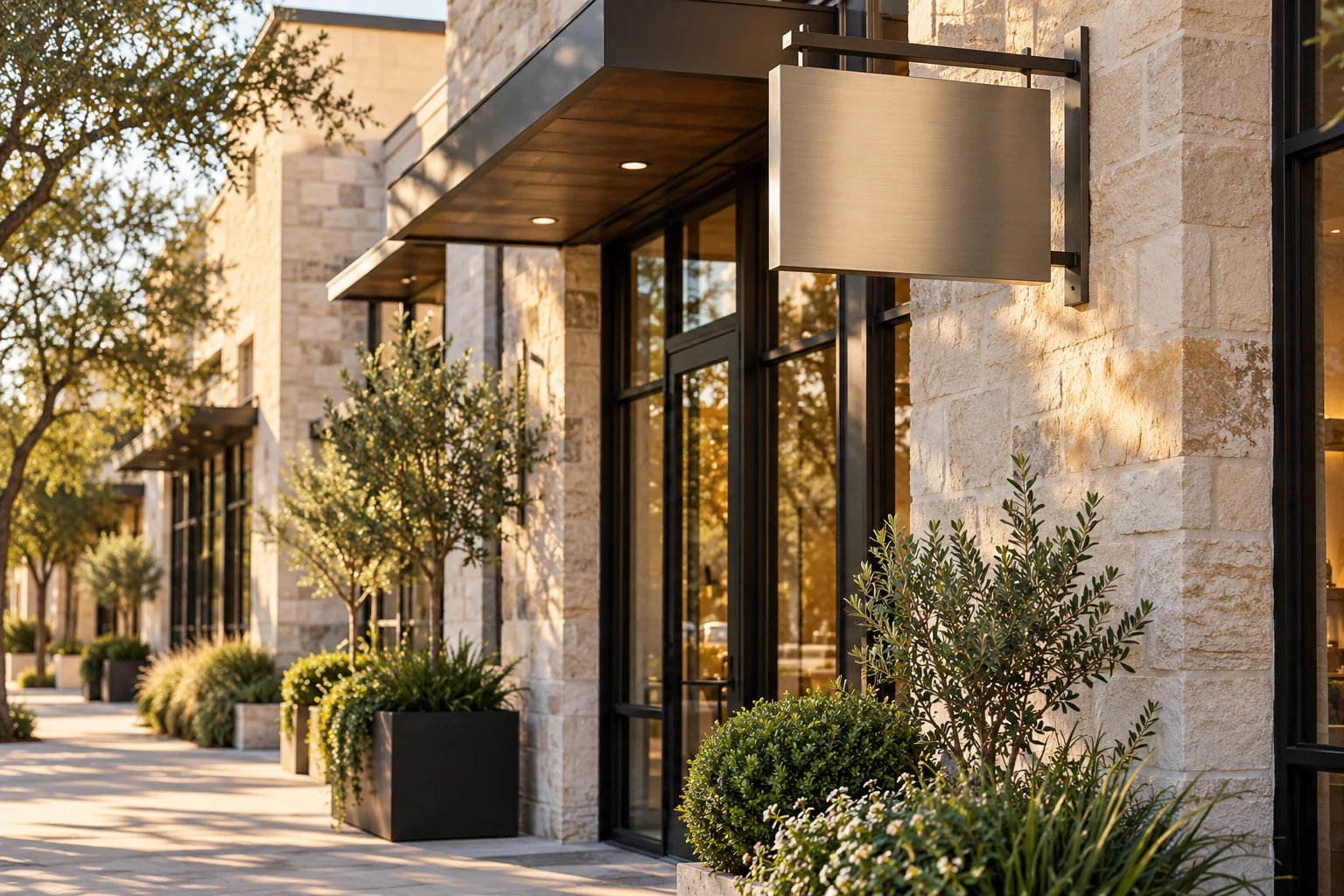
Before meeting with a specialist, consider the environment where the signage will live. A sign placed in a high-traffic outdoor area faces different environmental pressures than one tucked into a quiet office corridor. The texture of the wall, the lighting in the room, and the distance from which a person will view the item all dictate the direction of the project.
For example, if you are opening a boutique in a sunlit corner of a shopping center, you might weigh the impact of vibrant, high-contrast colors against the subtle elegance of etched glass. This choice involves a tradeoff between immediate visibility and long-term aesthetic integration. Ask a professional how different materials respond to the specific light and weather conditions of your location.
Preparing your design assets
The quality of the final product often depends on the clarity of the initial concepts. Having your brand colors, preferred fonts, and existing logos ready can streamline the conversation. If your current branding is digital-only, you may need to discuss how to adapt those files for physical production. You might ask about the process for sign graphic design to ensure your digital assets translate accurately to a larger scale.
Gathering these materials beforehand allows you to focus the meeting on the practicalities of the installation rather than searching for files. It also helps in determining if your current imagery requires adjustment to remain legible from a distance or under specific lighting conditions.
Managing the logistics of ordering
Once the design is settled, the focus shifts to the mechanics of procurement and installation. Different projects require different levels of hands-on coordination. Some orders may be straightforward enough to manage through an online sign ordering portal, while others might require a more detailed consultation regarding mounting and placement.
Ask the provider which details they need to finalize a quote and what information is required to ensure the installation goes smoothly. Inquire about the timeline from the moment a design is approved to the moment the sign is mounted. Understanding these steps helps you coordinate the arrival of new signage with other business activities or renovations.
Approaching a consultation with a clear understanding of your space, your brand assets, and your logistical needs allows for a more productive partnership. By asking how specific materials and design choices meet your environmental constraints, you can move forward with a visual identity that feels intentional and permanent.


