This is a paid partner contribution. Commercial relationships are disclosed so readers can distinguish sponsored content from editorial guides.
A new storefront or a refreshed office space often demands a visual update to signal change to the community. Deciding on new signage is a significant step in defining how a physical location presents itself to passersby. Rather than walking into a consultation without a plan, taking a moment to organize your requirements can help you navigate the choices available for your space.
Defining the Visual Goal
The first step involves observing the environment where the sign will live. Consider the lighting, the distance from the street, and the materials used on the surrounding buildings. A sign that works in a brightly lit lobby might look different when mounted on an exterior brick wall. You might weigh the benefit of a large, bold graphic against the subtlety of a smaller, more refined piece. For example, if you are opening a quiet boutique, you may prefer a minimalist aesthetic, whereas a high-traffic retail spot might lean toward something more visible from a distance.
Before meeting with a provider, gather any existing brand elements, such as specific colors or logos, that you want to maintain. If you do not have these finalized, you might ask about sign design services Dallas to help translate your brand identity into a physical format. Having a clear idea of your aesthetic preferences allows for a more productive discussion about what is possible.
Gathering Site Specifics
The physical location of the sign dictates many of the practical considerations. Measuring the intended installation area is a helpful way to ground your ideas in reality. Note the presence of obstacles like trees, utility poles, or existing architectural features that might obscure the view. It is also useful to consider the daily routines of your visitors. If your business operates on a specific schedule, you may want to discuss options for business hours signs that remain legible under different light conditions.
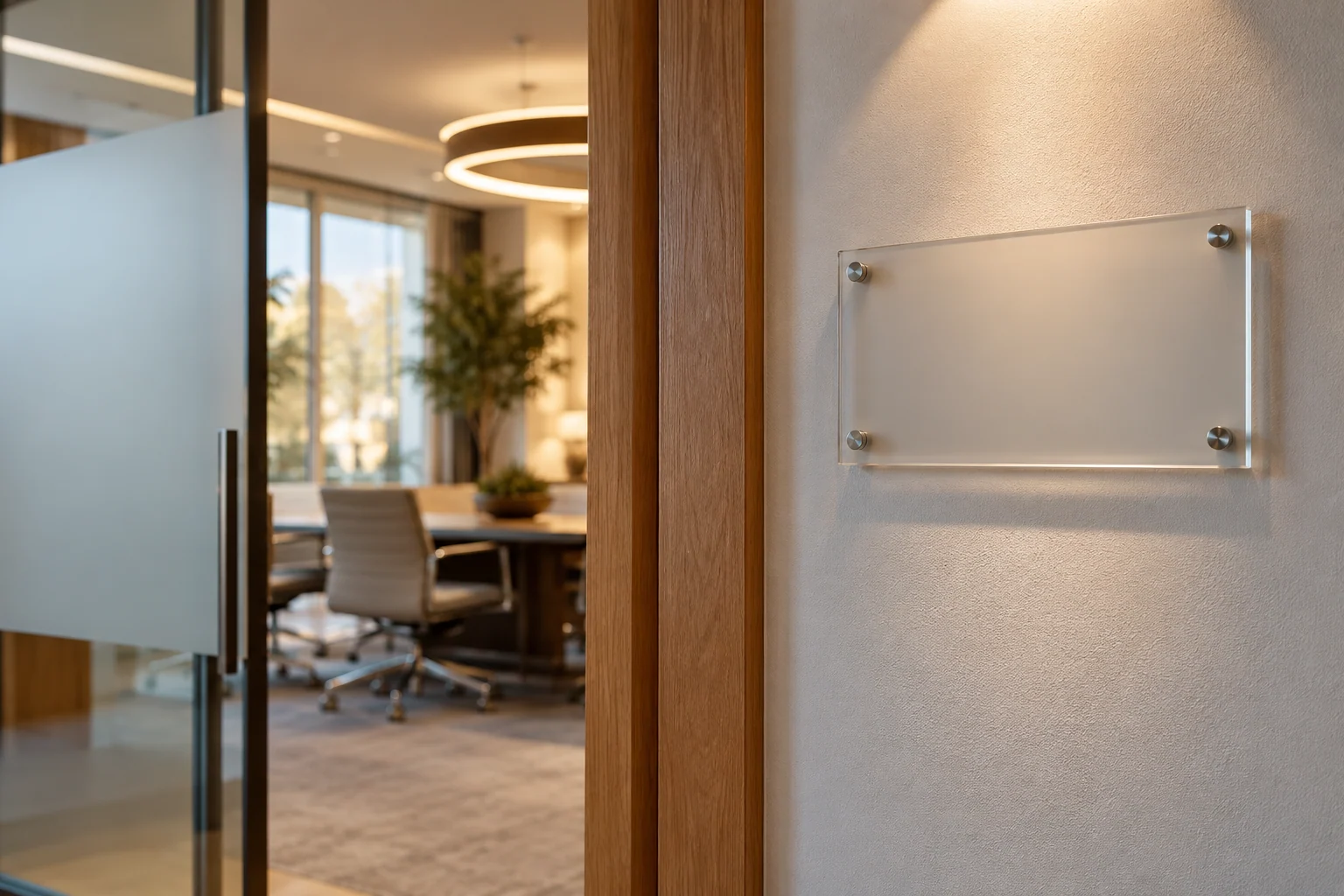
Documenting the texture and material of the surface where the sign will be attached provides a clearer picture for the professional. A smooth glass window offers different mounting opportunities than a textured stone facade. Bringing photos of the site to your meeting can bridge the gap between a verbal description and the actual environment.
Questions for the Consultation
A productive first conversation is built on asking specific questions about the project scope. Instead of assuming a certain look will work, ask the professional how their recommendations address the specific dimensions and lighting of your location. You might ask who would handle the installation and what that arrangement includes. It is also helpful to inquire about the timeline for production and how they manage the transition from a digital design to a finished product.
To prepare for the meeting, organize your measurements, brand assets, and site photos into a single folder. By presenting these details upfront, you can focus the conversation on selecting the right materials and styles for your specific needs.